
Choosing vehicle insurance can feel complicated when policy documents use unfamiliar terms and every insurer presents coverage differently. USAutoInsuranceHub breaks the process into practical steps for U.S. drivers.
Start with the essentials
Most drivers begin by reviewing liability coverage because it helps pay for injuries or property damage you cause to other people. Your state sets minimum requirements, but minimum limits may not fully protect your income and assets after a serious crash.
Understand the main coverage types
- Liability: Helps cover injuries or property damage you are legally responsible for.
- Collision: Helps pay to repair or replace your vehicle after a covered impact.
- Comprehensive: Helps with non-collision losses such as theft, hail, falling objects, or animal damage.
- Uninsured or underinsured motorist: May help when the at-fault driver has no insurance or not enough coverage.
- Medical payments or personal injury protection: Availability and rules vary by state.
Compare the same protection first
When comparing quotes, keep liability limits, deductibles, optional coverages, drivers, vehicles, and usage details consistent. A lower premium can reflect lower limits or higher out-of-pocket costs rather than a better value.
Prepare for a claims conversation
After an accident, move to a safe location, contact emergency services when needed, exchange information, document the scene, and notify your insurer promptly. Keep photos, receipts, repair estimates, and claim numbers together.
Questions readers often ask
Is the cheapest policy always the best choice?
No. Compare the protection, exclusions, deductibles, service quality, and financial stability of the insurer—not only the monthly price.
Can rates vary by state?
Yes. Insurance requirements, risk factors, claim rules, and pricing vary widely across the United States.
Final takeaway
Use USAutoInsuranceHub as a starting point, then confirm coverage details with your insurer or a licensed agent in your state. This guide is educational and is not individual insurance advice.
Previous and next articles

Related guides
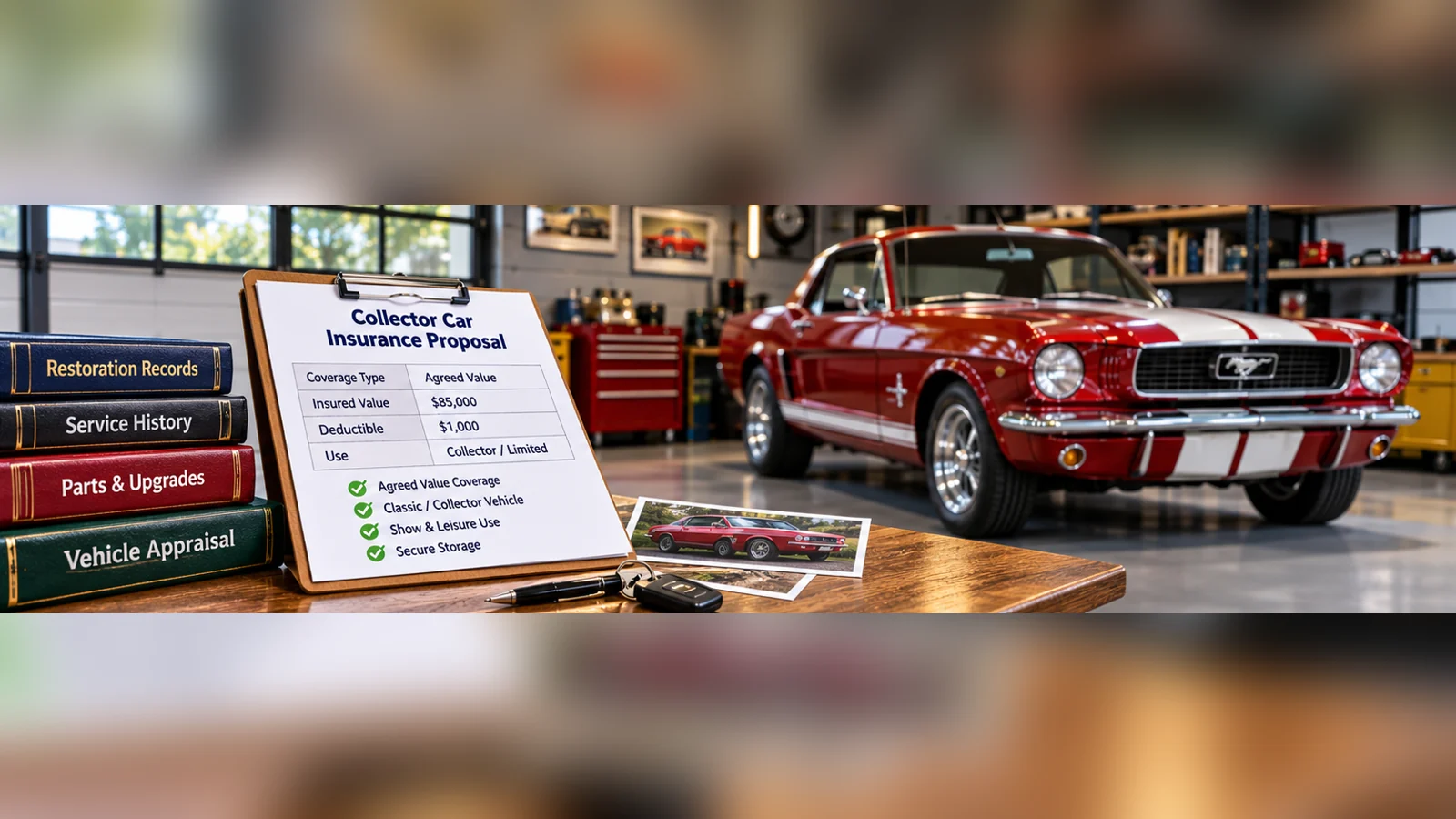 How to Get Agreed Value Insurance for Classic and Collector Cars